
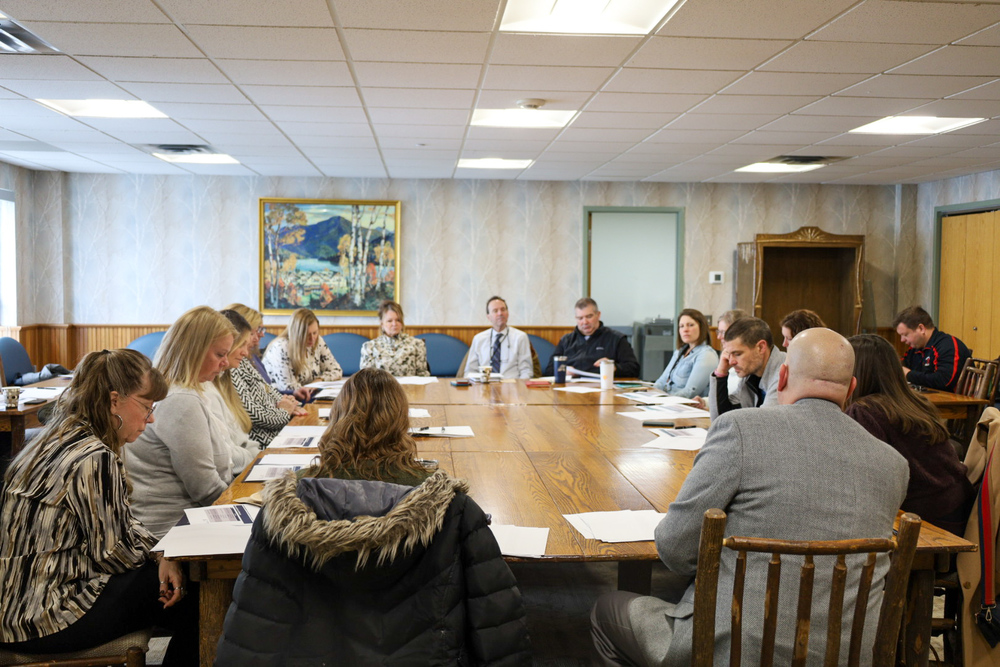
Education and healthcare leaders from across the North Country gathered Wednesday morning at the Adirondack Medical Center to explore the development of an Early College High School (ECHS) Health Sciences pathway tailored to the Adirondack region.
The discussion builds on a recently announced regional initiative led by the Iroquois Healthcare Association Healthcare Educational Consortium and supported through renewed funding from the Mother Cabrini Health Foundation for the 2026 grant cycle. Through this grant, IHA is operating pilot Early College Health Sciences programs in select regions of Upstate New York, with the goal of strengthening healthcare workforce pipelines, improving long-term talent retention, and supporting local economic stability.
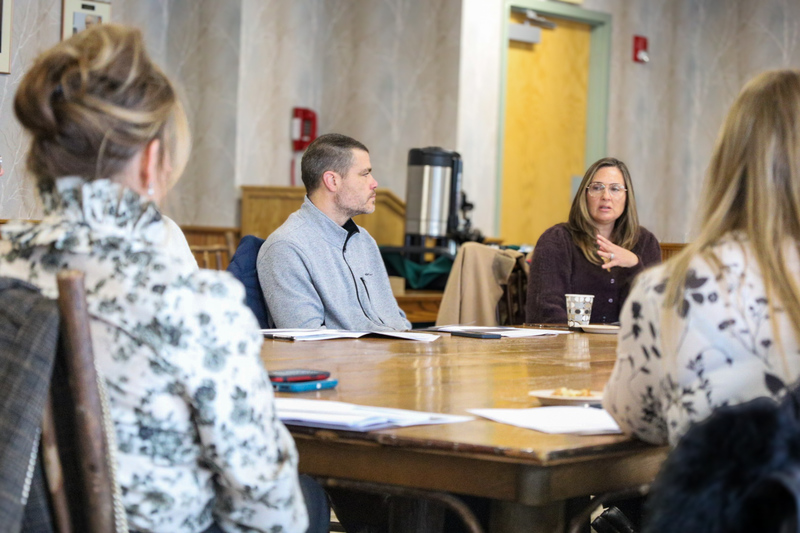
The Mother Cabrini Health Foundation grant provides funding to coordinate partnerships among hospitals, colleges, and school districts, develop aligned healthcare career pathways, and reduce barriers for students pursuing high-demand healthcare careers. The Early College model allows students to earn college credit while still in high school, gain hands-on clinical experience with local healthcare providers, and build direct connections to regional employers, all while remaining in their home communities.
Under the proposed structure, the majority of student coursework would take place within students’ home school districts and be taught by their home school teachers. Throughout the program, students would also have opportunities to receive instruction from college professors on campus at designated points, creating a blended experience that maintains strong local connections while introducing students to the college environment.
While pilot programs are currently underway in other counties, North Country leaders are now evaluating what a similar model could look like for the Adirondack region.
Representatives in attendance included local high school principals and guidance counselors, leaders from North Country Community College, Franklin-Essex-Hamilton BOCES administrators, Adirondack Health partners, consultants, and members of the Iroquois Healthcare Association. Conversations focused on whether and how an Early College model could complement existing programs while addressing persistent regional healthcare workforce shortages.
Saranac Lake High School Principal Josh Dann raised thoughtful questions about how the proposed pathway might intersect with established healthcare programs, including New Visions Health and Health Occupations offered through Franklin-Essex-Hamilton BOCES.
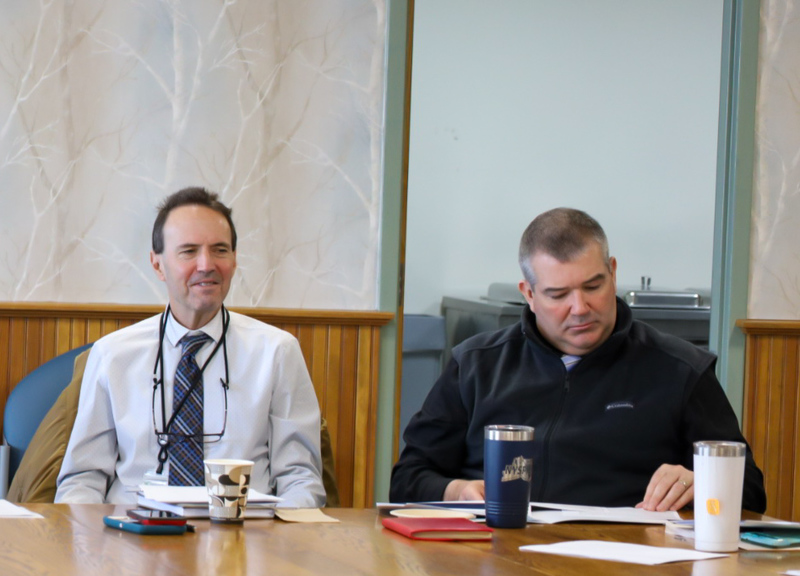
Marq Brown, consultant with the Iroquois Healthcare Association, addressed those considerations.
“In other regions where this model has been implemented, we have not seen any decline in enrollment in existing New Visions or Career and Technical Education programs,” Brown said. “Instead, the Early College model functions as a complementary option, almost a hybrid of the two, providing students with an additional pathway rather than replacing what already exists.”
Sarah Yaw, Director of K–12 Partnerships and Academic Pathways at Cayuga Community College and consultant for the Iroquois Healthcare Association, emphasized the importance of regional alignment in shaping any future program.
“Stakeholders need to come together and agree upon a model that works best for the Adirondack community,” Yaw said. “It’s about asking important questions, such as whether the program should begin in ninth grade, and carefully considering what that pathway would look like for students. This program is designed to support students who are genuinely interested in healthcare careers and to provide them with early, meaningful opportunities to explore and prepare for that path.”
Lori Tourville, Deputy Superintendent for Franklin-Essex-Hamilton BOCES, added that collaboration across institutions would be central to the program’s success if developed.
“These opportunities could extend across home high school campuses, BOCES locations, Adirondack Medical Center, and North Country Community College,” Tourville said. “It would truly be a community-wide partnership. Students would gain hands-on experience, mentorship, and direct exposure to local healthcare industries, building both skills and connections that encourage them to remain and work in their home communities.”

Healthcare workforce shortages continue to impact rural communities across Upstate New York. Local leaders agreed that thoughtful planning and cross-sector collaboration will be critical in determining whether an Early College Health Sciences pathway can serve as part of a long-term regional solution.
As discussions continue, stakeholders remain focused on ensuring the future programing reflects the region’s workforce needs, strengthens existing educational pathways, and creates meaningful opportunities for North Country students.
About the Mother Cabrini Health Foundation: The MCHF is a private, nonprofit organization whose mission is to improve the health and well-being of New Yorkers, bolster the health outcomes of vulnerable communities, eliminate barriers to care, and bridge gaps in health services. Named after a tireless advocate for immigrants, children, and the poor, the Foundation funds programs and initiatives across New York State that provide either direct healthcare services or address the social determinants of health.